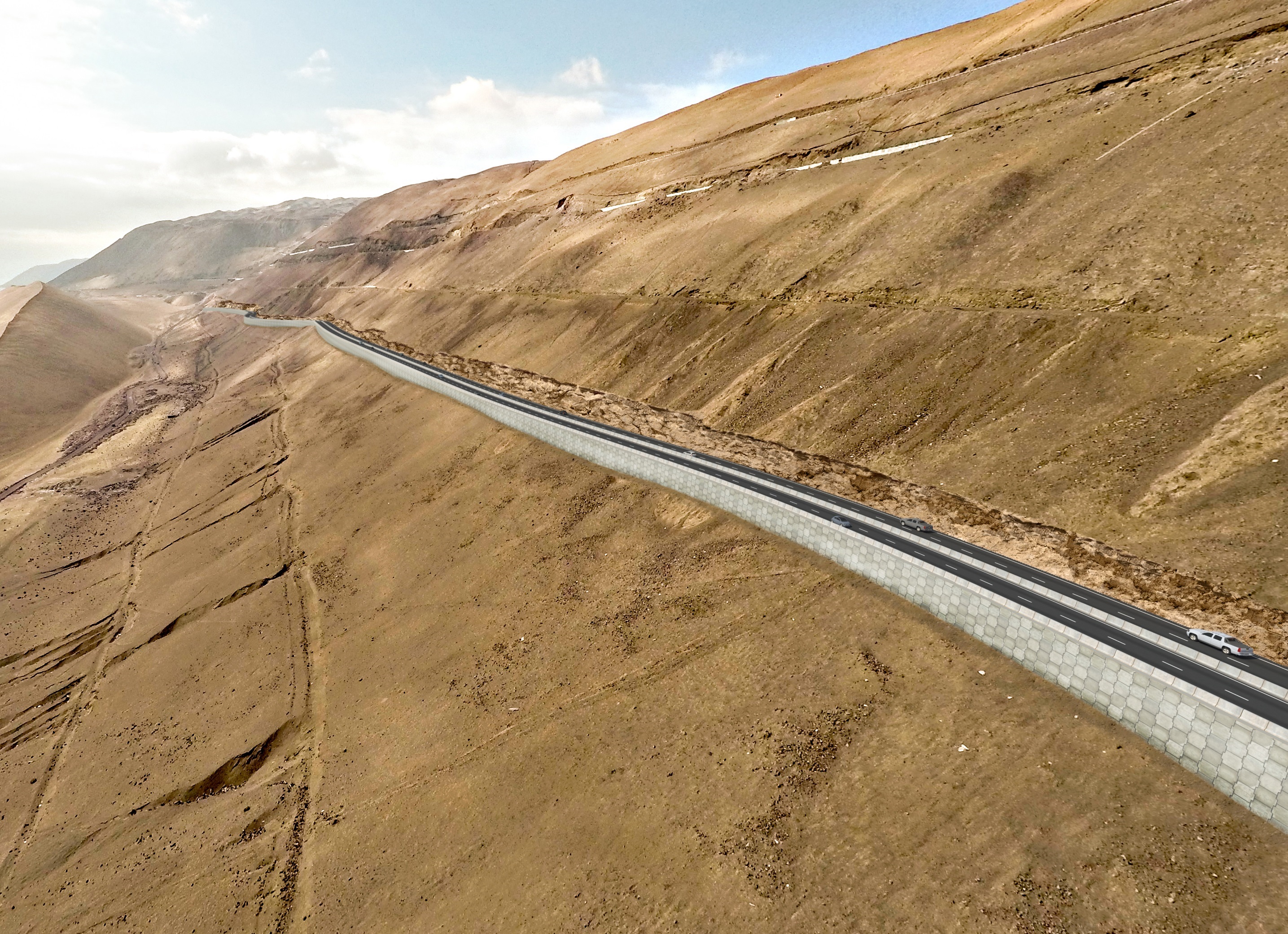
FCC begins construction works on Section 3 which will connect the towns of Iquique and Alto Hospicio in Chile<br />
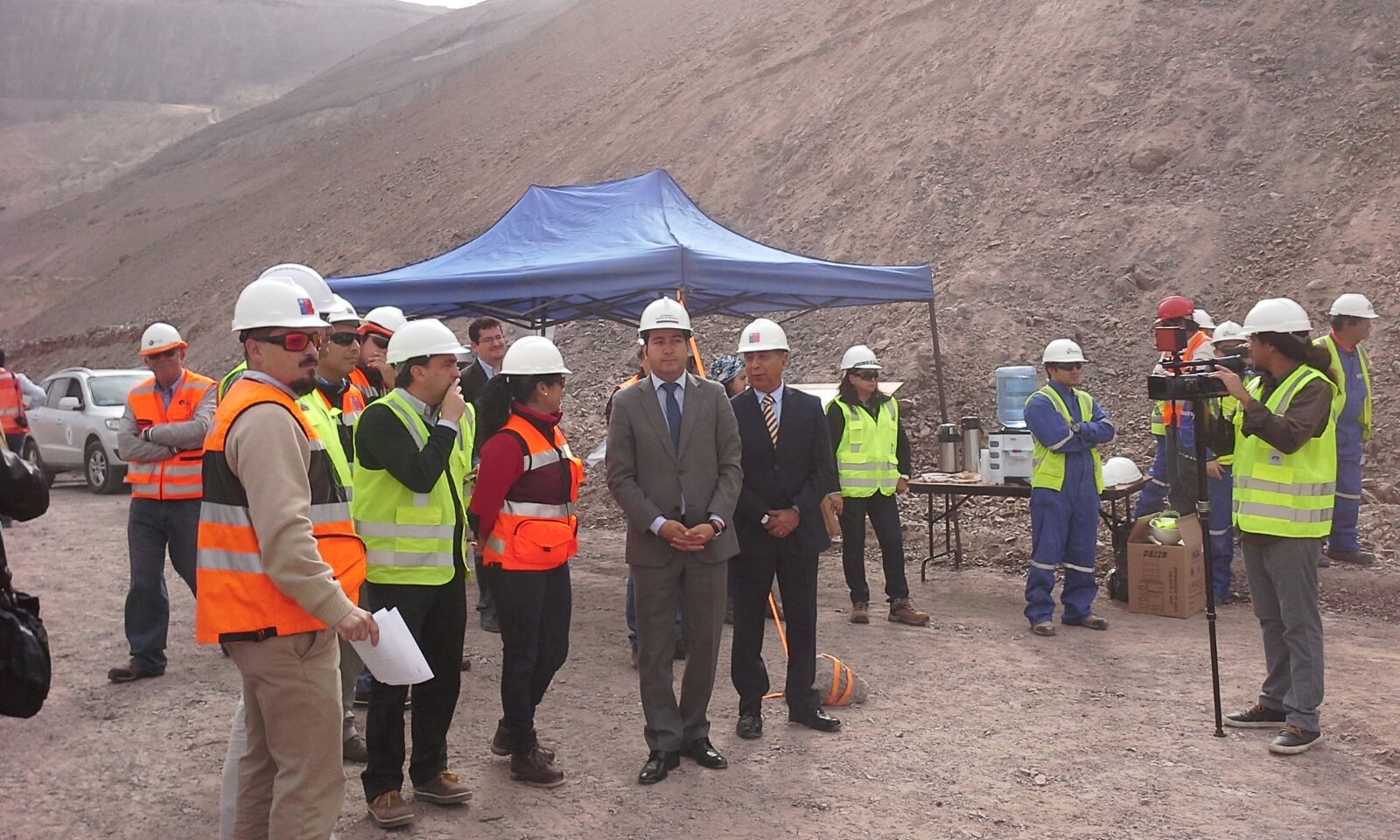
The construction works on the third section from Acceso Sur to Alto Hospicio began on 13 July after a visit from the regional mayor, Mitchel Cartes Tamayo, and the Minister of Public Works, Julio Pérez Rubio. This project will improve transport connectivity and accessibility conditions between this town and Iquique, in the region of Tarapacá, and which is being carried out by FCC Construcción in the north of Chile.
The Improvement, Accessibility and Connectivity in the city of Iquique, Sector Alto Hospicio – Alto Molle will have an execution period of 780 days and will enable speeds of 70 to 80 km/h, with some sections seeing the speed reduced to 50 km/h due to inclines of up to 9% as a result of the significant difference in altitude between Alto Hospicio and Iquique, close to 450 metres.
Earth moving is already underway in Alto Hospicio, with one kilometre of construction pathway already executed. Around mid-month, the bulk of the machinery will be in operation on the first 1,500 metres.
In the first phase of the project, a roadway in both directions will be set up, at the same time as the necessary earth is moved to accommodate the second roadway.
This contract, awarded by FCC Construcción, is the most costly phase of the project, using 19 billion of a total of 66 billion allocated to the whole works, funded by both the European Regional Development Fund and the Ministry of Public Works.
In this way, Cartes Tamayo pointed out that although there is already a significant amount of regional work force available, "50 new jobs will be generated for local workers, which will enable the very important project to progress as well as reducing the unemployment figures in the region".
The railway design will have a 7 m wide roadway, with 1 m outer berms and 0.6 m inner berms and a 2 m central reservation, calculating a service life of 20 years.
Part of the works will involve excavations in loose and rocky earth, thereby requiring blasting works and subsequent stabilisation of the cuttings by means of active anchors, wire mesh and reinforced concrete.