FCC Construcción completes the restoration of the area around Alameda Castle (Madrid) and uncovers 4,000-year-old archaeological remains during the job
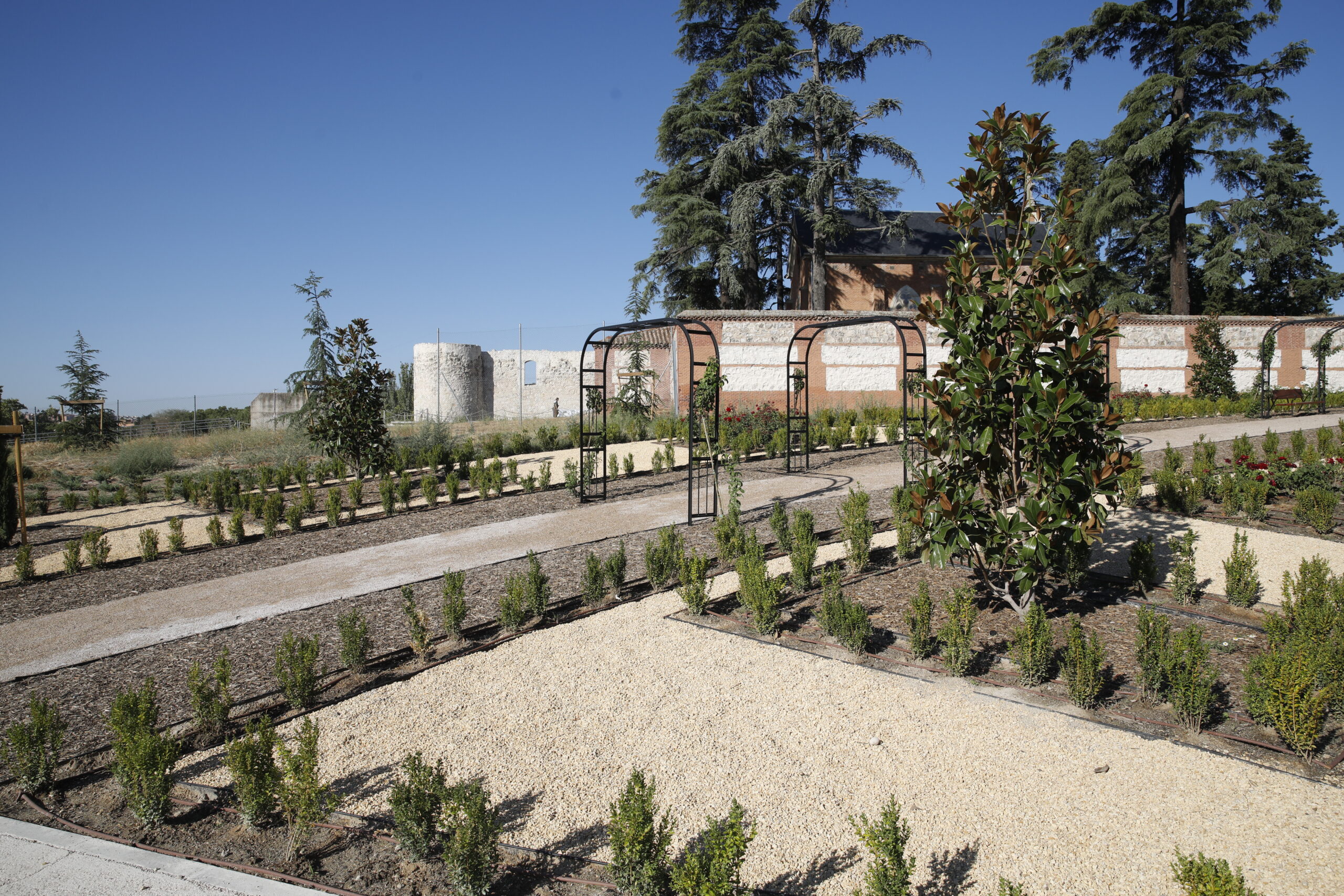
FCC Construcción has completed the work to renaturalise and improve the accessibility of an important green area in the area around Alameda Castle (Madrid). The restoration of this area, which is part of the Municipal Land Assets, required an investment of 1.6 million euro. In addition, during the course of the work, important archaeological remains have been found that show the existence of populations in the area, dating from 2,800 BC to the Visigothic period in the 6th and 7th centuries AD.
In order to increase biodiversity and improve air quality, 355 new trees and 18,252 shrubs have been planted, as well as 6,373m2 of grassland. This planting will not only beautify the district, but also contribute to the creation of a healthier environment, offering shade, reducing the heat island effect and providing habitats for local wildlife.
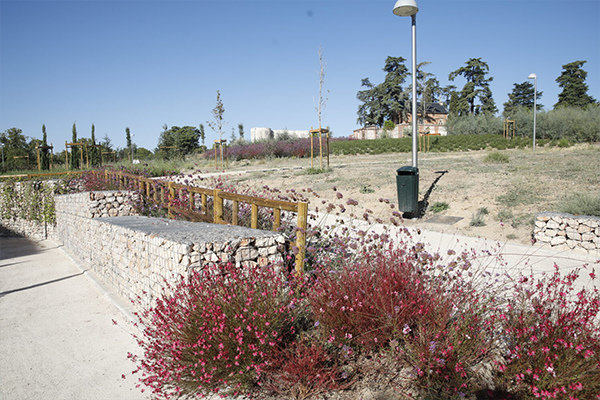
A lighting network has been implemented on the new walkways to improve safety during night-time hours. In addition, the storm water drainage system has been improved to prevent run-off and maintain the quality of the paths. To deal with the unevenness of the terrain, gabion walls have been installed, made up of a structure of stones and galvanised or stainless steel mesh, whose combination, as well as being visually aesthetic, fulfils the task of containing the earth.
In addition, new street furniture, both benches and litter bins, have been installed. These elements are designed to encourage greater and better use of the public space, providing neighbours with meeting places where they can rest, socialise and enjoy the natural environment.
The project has included the repair of the existing paved paths and the creation of an access network to guarantee accessibility, ensuring fluid and accessible communication in the neighbourhood. In addition, new paths have been created to facilitate walking between the different planned landscaped areas.
In the course of the renaturalisation work on the Castillo de la Alameda, a series of important archaeological discoveries have been made that demonstrate the existence of settlements in the area that were maintained during different periods and that show a part of Madrid's history.
The oldest remains date back to the transition period between the Neolithic and the Metal Age, from 2,800 to 2,500 BC (Chalcolithic period). Ceramic remains have been found belonging to pots and bowls of various sizes made by hand for the domestic environment and with little or no decorative motifs, which were fired in holes in the ground.
This area was populated during the Early Iron Age, between 800-500 BC. From this period, traces are preserved of settlements of small circular huts, two or three metres in diameter, and other elongated huts, of a similar width but up to ten metres long, known as ‘longhouses’, which were used by larger families or as meeting places . Finds indicate that the main activities in this settlement were agricultural and livestock farming.
Ceramic remains from the First and Second Iron Ages, between 800 and 100 BC, have also been found, most of which are domestic and in which an advance in production technique can be seen, as finer pastes and lathes have been used for their execution.
From the Second Iron Age, 500-100 BC, the remains of a potter's kiln have been found, which is evidence of a certain social specialisation of the tasks, typical of the populations of this period.
The ceramic objects found from the Visigothic period, between the 6th and 7th centuries AD, are coarser than the previous ones and show little care in the firing. Their decorations are based on simple incisions arranged in continuous linear bands.
These finds not only enrich our knowledge of the history of the capital, but also allow us to reconstruct in greater detail the daily life, customs and transformations that took place over the millennia, providing a direct link between Madrid's past and present. The ceramic remains found have been transferred to the Archaeological and Palaeontological Museum of the Community of Madrid, located in Alcalá de Henares.