FCC Medio Ambiente presents its 2015-2018 Strategic Road Safety Plan
As part of its commitment to reducing and eliminating the number of accidents both on the way to/from work and during deliveries, FCC Medio Ambiente has published its 2015-2018 Strategic Road Safety Plan.
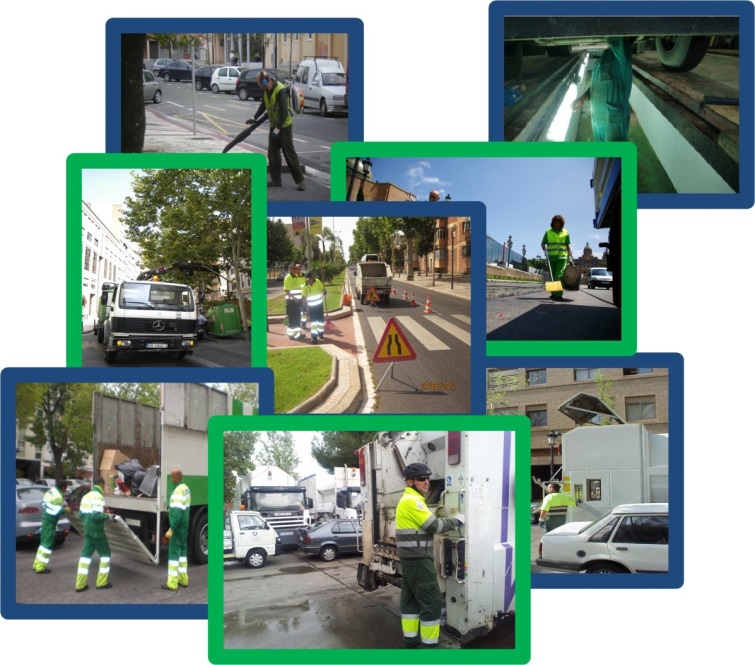
Most jobs in FCC Medio Ambiente have a direct relation with vehicle traffic, either because a large part of their work is spent as drivers or accompanying passengers, or because they work in public thoroughfares and are therefore exposed to traffic, such as sewage workers or rubbish collection operators, among others.
The Plan is intended to mark the outline of action to achieve the goals set by the management, starting with an assessment of safety levels and how they have evolved over time. To do so, an analysis has been made of the risk factors in road safety that often lie behind traffic-related accidents in FCC Medio Ambiente and a Plan of Action has been proposed consisting of a set of preventive measures that can be applied to avoid and reduce traffic accidents. This set of measures fall into four categories:
• Road Safety Management: these are measures that help improve control over some of the risk factors that have a bearing on traffic-related accidents.
• Workers’ skills and attitude: It is necessary to improve workers’ skills in regard to health, as well as their attitude or behaviour patterns in order to mitigate the influence of human risk factors.
• Design. Measures aimed at proper planning during the design stage of vehicles, routes and location of work centres.
• Commuting to work. Measures related to how work is organised, mainly aimed at improving management efficiency to reduce the number of accidents but also taking into account environmental and health factors.
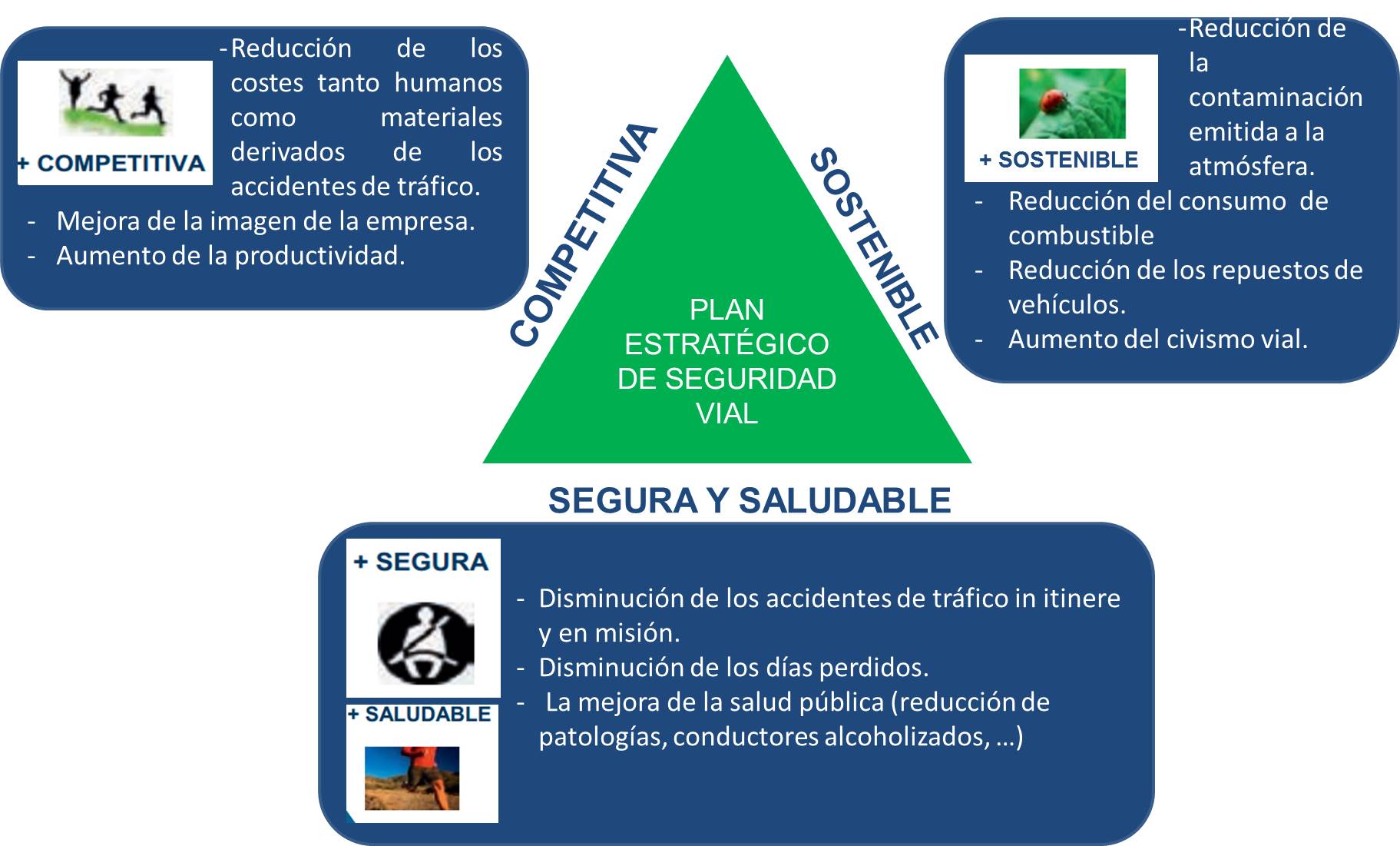
FCC Medio Ambiente’s Strategic Road Safety Plan operates in three dimensions:
• Safe and Healthy Business: guaranteeing safety calls for work on three main aspects:
- Safe vehicles.
- Safe roads and work environments.
- Safe behaviour by humans.
The design and implementation of programs relating to Road Safety helps to improve individuals’ health by reducing the number of illnesses and improving quality of life. Encouraging walking and cycling increases physical activity and promotes health.
• Sustainable business: Actions such as preventive vehicle maintenance, safe and efficient driving and purchasing more modern vehicles (with sustainability and safety criteria in mind), among other actions, not only contribute to safety at work but also to reducing atmospheric emissions, noise and fuel consumption, as well as increasing the service life of the company’s fleet of vehicles. At the same time, building awareness about Road Safety leads to less road rage and better highway manners.
• Competitive business: All actions taken towards improving road safety increase business productivity, reduce repair costs and extend the service life of equipment, apart from the natural savings in terms of human and material costs associated with traffic accidents.
FCC Medio Ambiente 2015-2018 Strategic Road Safety Plan