
FCC wins Barcelona's largest-ever cleaning and waste management contract
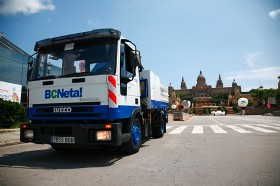
- The contract is worth 797.48 million euro and will run until 2017.
- FCC has been providing municipal services in Barcelona since 1915.
The contract, which is the largest ever signed by Barcelona City Government, will run until 2017. FCC is a specialist and leading player in such activities as street cleaning and municipal solid waste collection; it has been serving Barcelona since 1915, where it has continuously won contracts by public tender since that year.
The new contract involves replacing the fleet of waste collection and street cleaning vehicles; additionally, all the waste containers will be replaced with new, lower containers which are accessible to all and are specially marked for use by blind people.
Selective collection of organic waste, paper, glass and packaging waste will be expanded, and there will now be a triple collection point for every 500 people (currently one for every 700); streets will be cleaned more frequently, and cleaning will be adapted to the type of street (commercial, pedestrian or residential); public spaces will receive comprehensive cleaning, including emptying and maintenance of litter bins and cleaning of green areas; the urgent action units will also be reinforced.
The vehicles will be adapted to the city; they will be designed for greater carrying capacity and waste collection performance without sacrificing manoeuvrability, while minimising cost, fuel consumption and noise and pollutant emissions, in line with the concept of clean technology.
Depending on needs, vehicles will be powered by ecological fuels (LNG, electricity and biodiesel) and equipped with leading-edge technology in terms of quality and safety.
FCC will extend the use of side-loading trucks and will provide innovative solutions in the old city so as to coordinate cleaning and waste collection in areas where waste is collected manually. It will introduce sweeper-washers and electrically-powered cleaning, maintenance and waste collection machinery.
FCC uses an ecological architecture approach to permanent installations so as to reduce water and energy consumption. It will replace oil-fired boilers with natural gas-fired boilers and increase the use of solar energy so as to reduce energy consumption by 60%; it will install presence detectors and long-life bulbs, and implement energy audits. The new contract also envisages total mechanisation of the street washing process, with the commitment to attain a 71% saving on water with respect to manual washing.
A new system will be implemented to detect incidents and measure response times, including immediate actions, and it will provide maximum flexibility and work times; there will also be a quality management system to achieve continuous improvement based on an inspection and follow-up plan.
As regards workplace safety, the company will take measures to prevent accidents and provide crews with personal safety equipment and signage. It will establish a technical department and a safety plan for workers in waste collection and cleaning services.